Services
Webflow Development
Industry
Real Estate & Hospitality
Year
2024
Partner Agency
Estudio Nuar
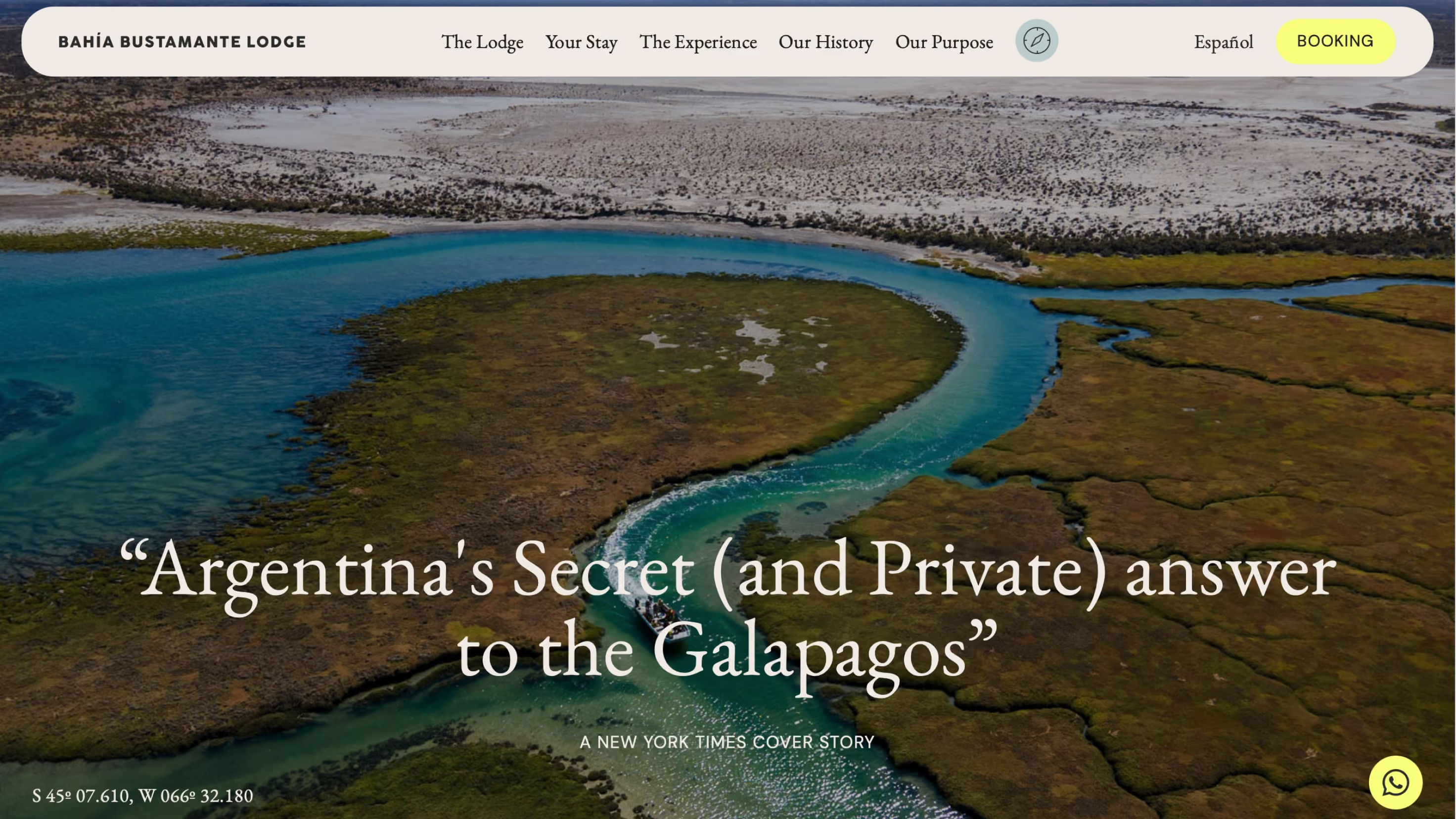
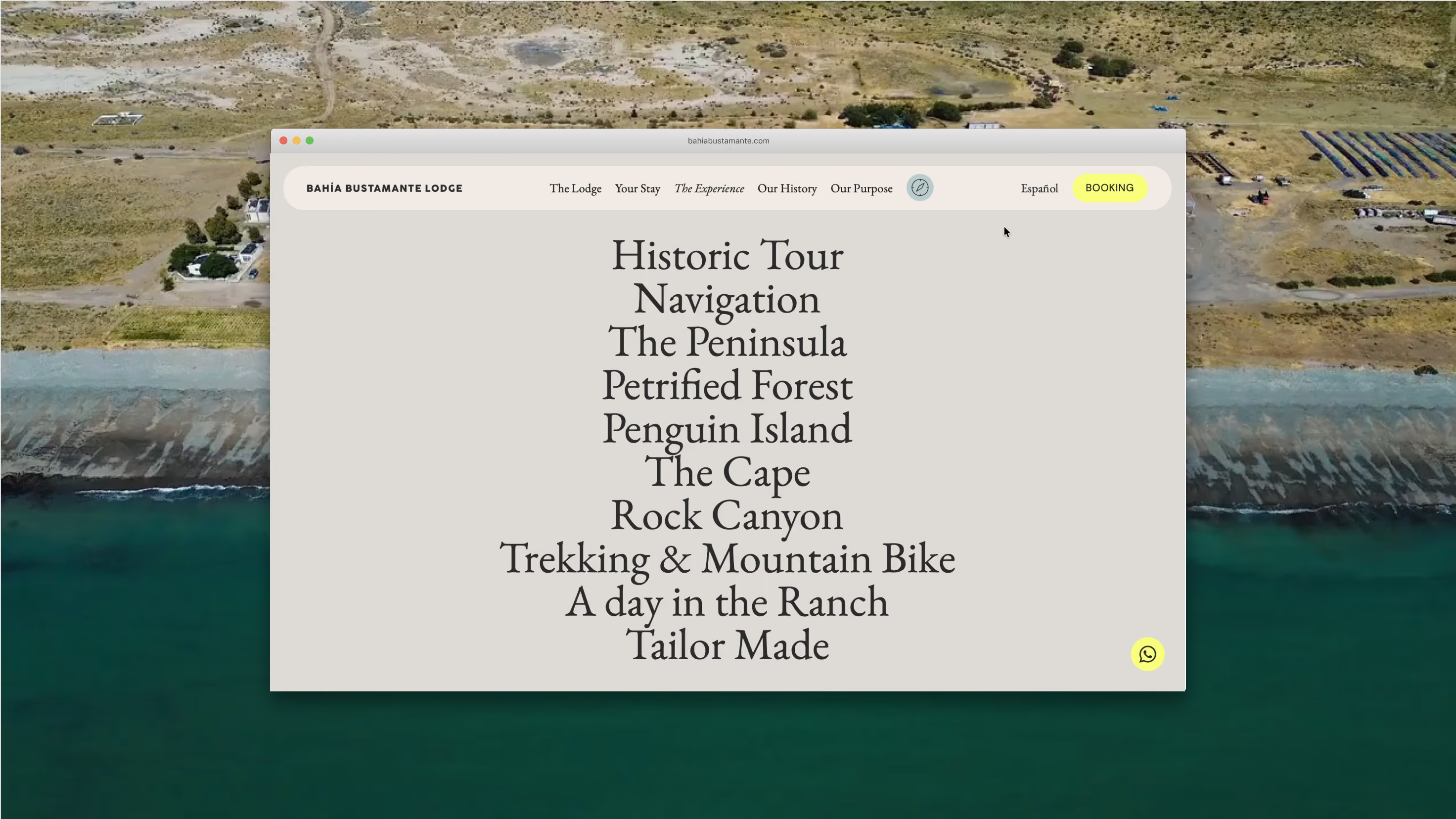
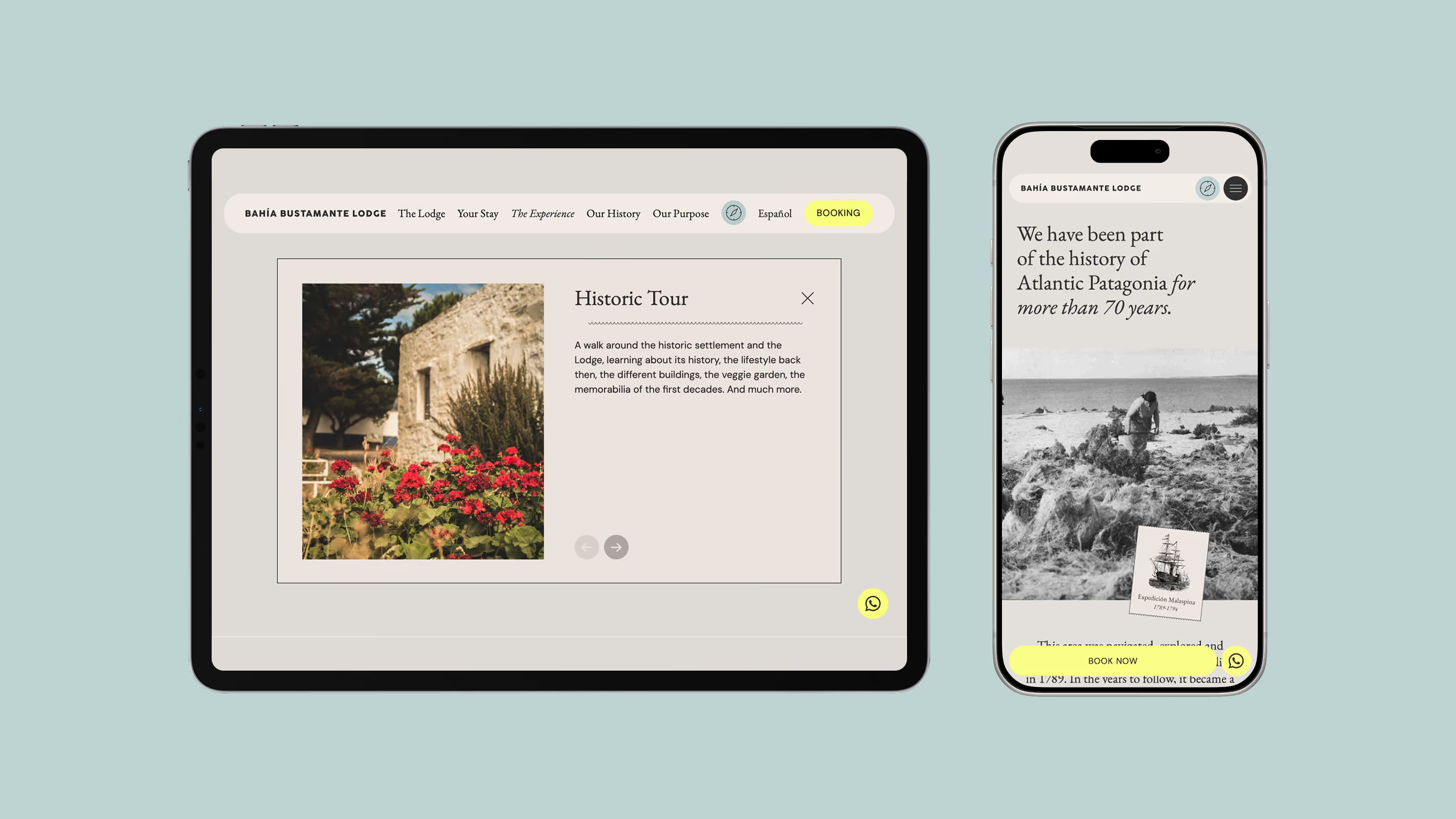
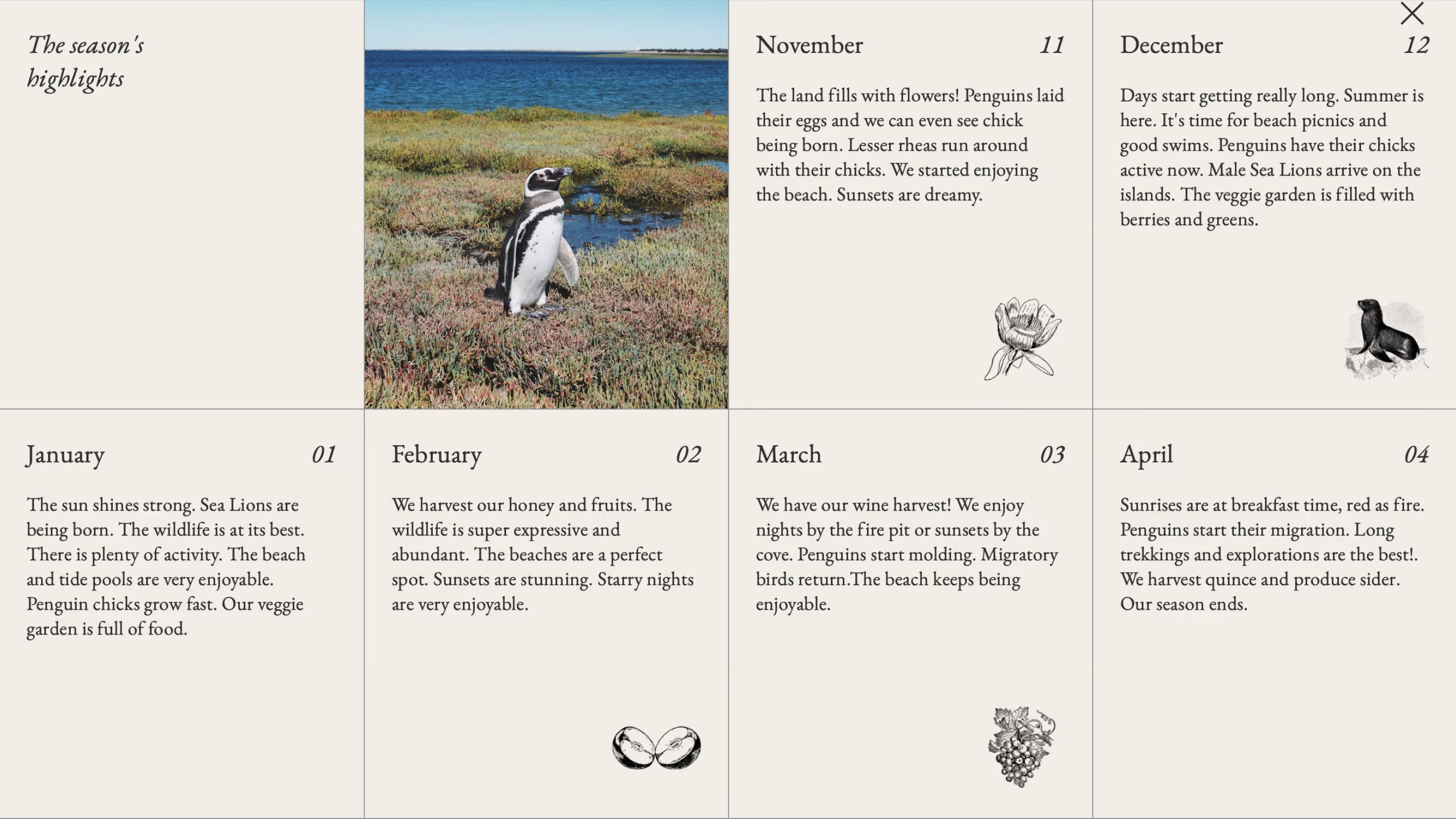
Bahía Bustamante engaged Metamensaje to develop a bilingual website from designs by Estudio Nuar. The build emphasized editorial control for the lodge's small team and clean multilingual handling so the experience held up consistently across audiences arriving in different languages.
1|https://metamensaje.nyc3.cdn.digitaloceanspaces.com/projects/bahia-bustamante/bahia-bustamante-1.mp4, 3|https://metamensaje.nyc3.cdn.digitaloceanspaces.com/projects/bahia-bustamante/bahia-bustamante-3.mp4, 4|https://metamensaje.nyc3.cdn.digitaloceanspaces.com/projects/bahia-bustamante/bahia-bustamante-4.mp4, 5|https://metamensaje.nyc3.cdn.digitaloceanspaces.com/projects/bahia-bustamante/bahia-bustamante-5.mp4,

A Bilingual Webflow Site for a Patagonian Eco-Lodge
Bahía Bustamante operates a bilingual site the lodge's team can update directly, with a content structure that reflects the way the lodge actually communicates its work — lodging, expeditions, conservation context — across audiences arriving from different languages and intents.